

MUAS LogoMUAS Logo
MUAS LogoMUAS Logo
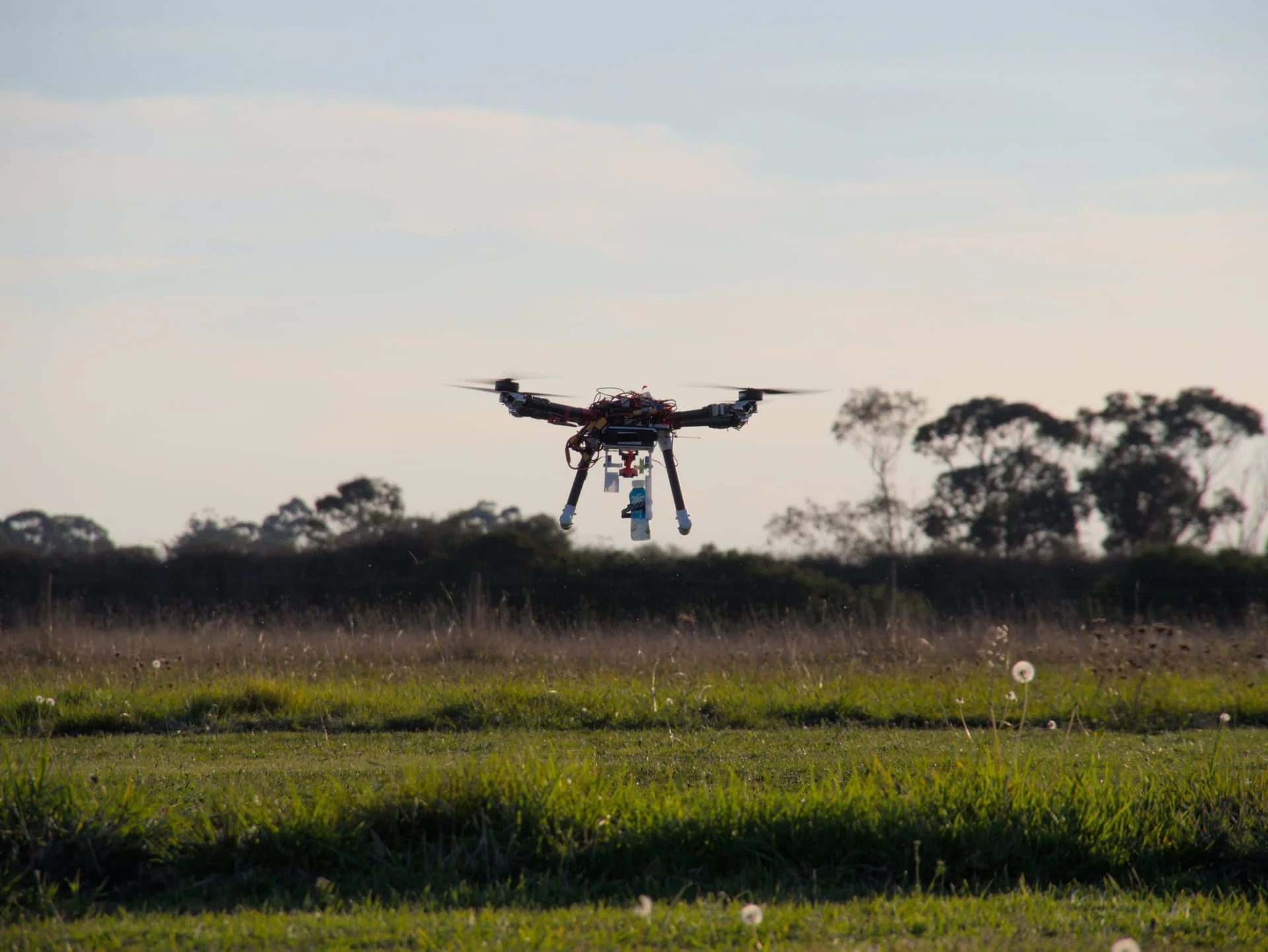
Redback aircraft flying low over a grass field

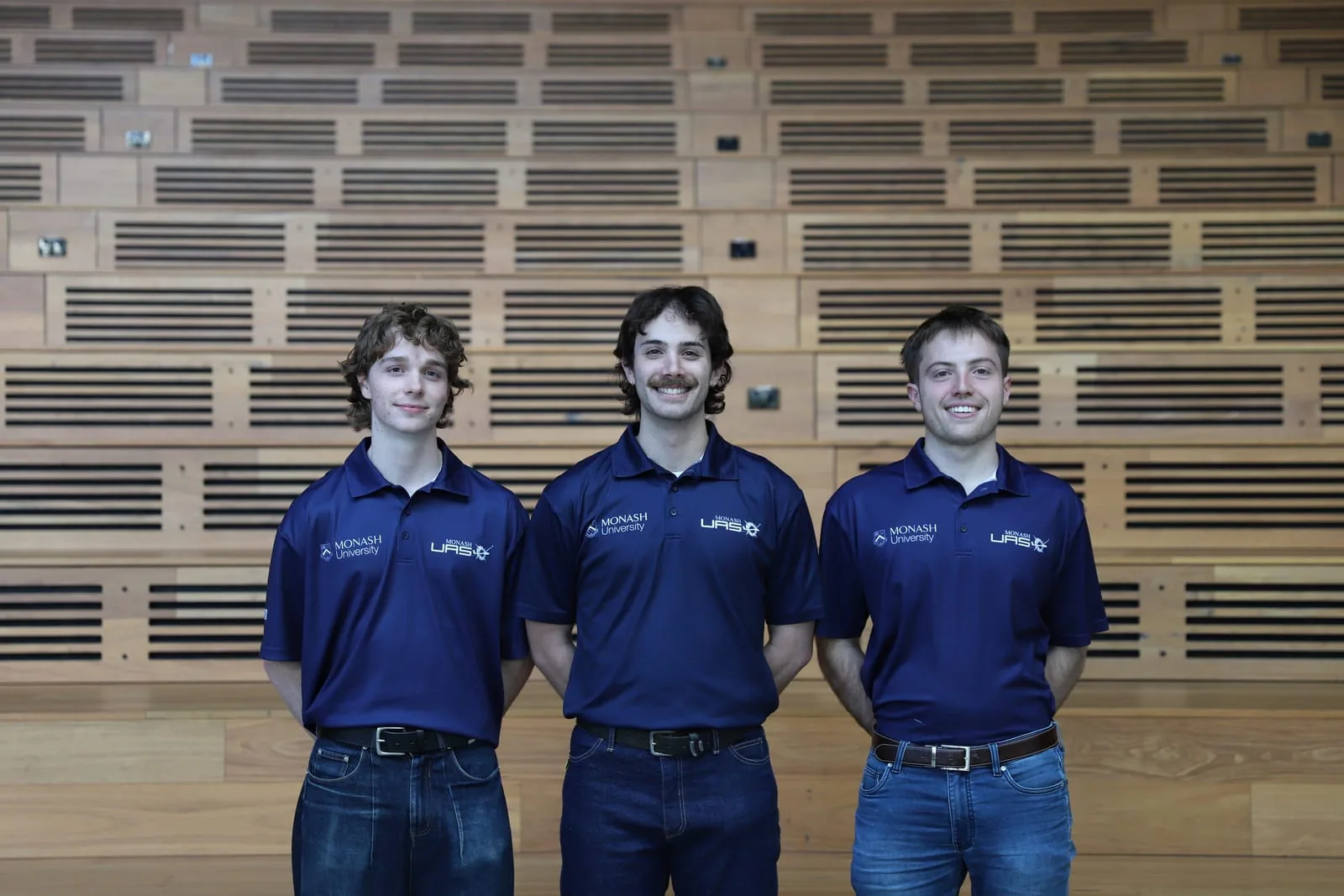
The Team Behind Redback

Explore the rationale, development and key milestones behind Redback, from its initial design through manufacturing, testing and flight.

Why We Built Redback

Redback was developed to turn the 2026 SUAS mission into one integrated aircraft program.

  • The Requirement: Build one reliable aircraft that can search, map, avoid hazards and deliver a payload.
  • The Approach: Develop every subsystem around a shared airframe focused on performance, integration and serviceability.
  • The Solution: Use Redback as a common test platform so avionics, autonomy, payloads and flight operations mature together before competition.
Studio image of Redback aircraft with cobwebs

The Production Timeline

4 July 2025

First Design Meeting

The SUAS Committee was inaugurated and began shaping the team's goals and approach for Redback against the 2025 ruleset.
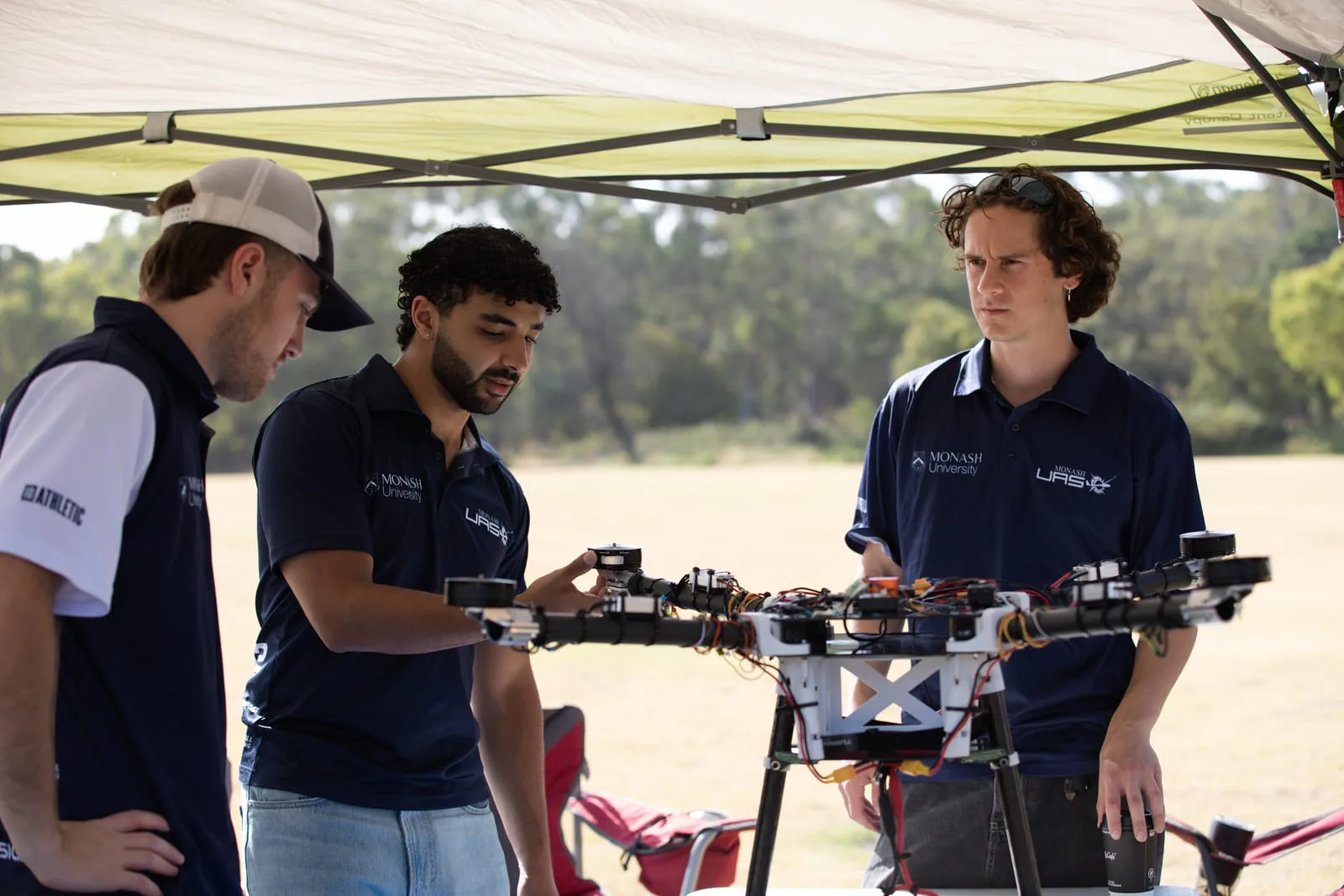
SUAS team gathered for the first Redback design meeting

25 September 2025

Initial Propulsion System Specification Completed

The initial propulsion system specification was completed. The system was designed to provide sufficient energy capacity without excessive weight while maintaining the power density required under competition flight conditions.
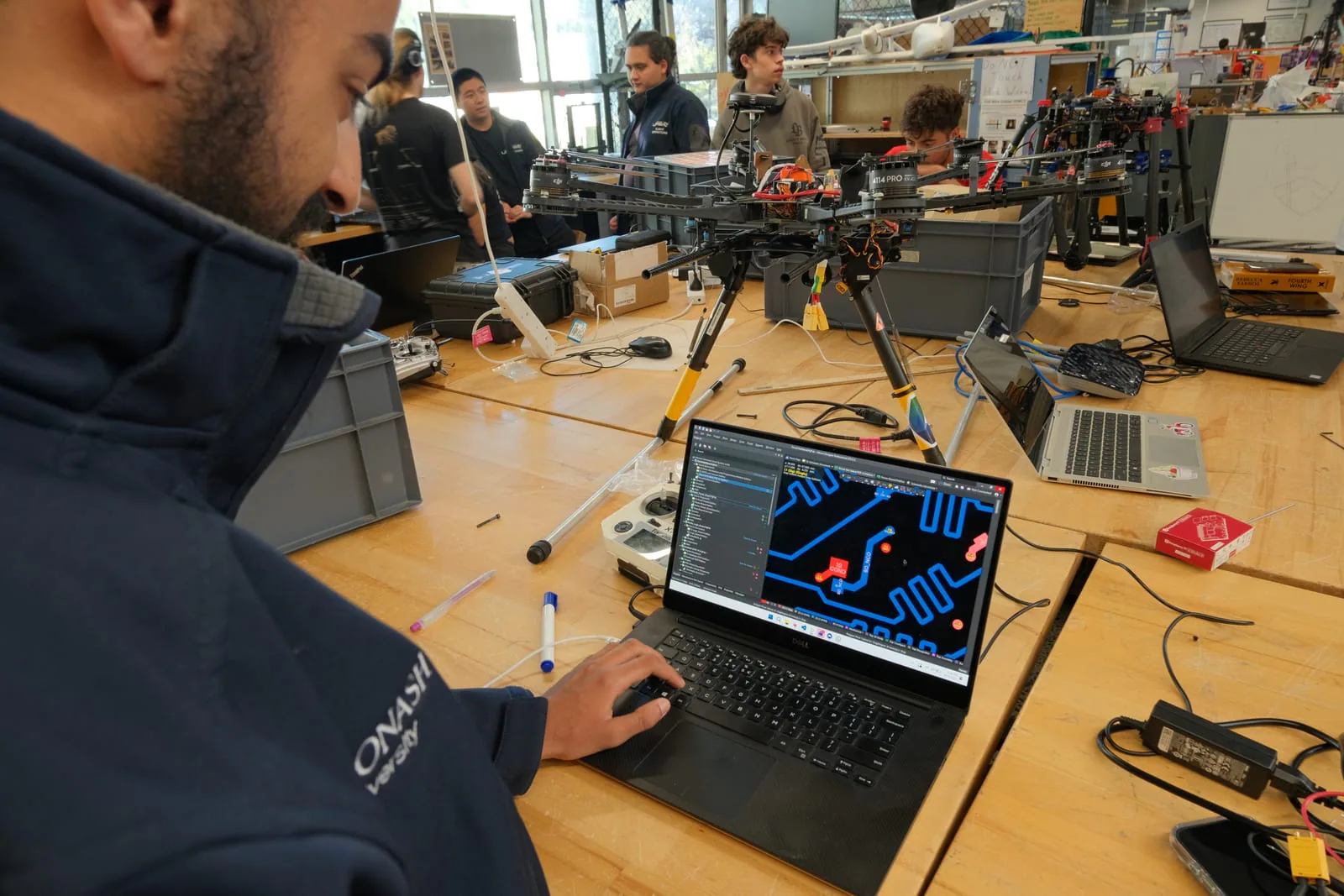
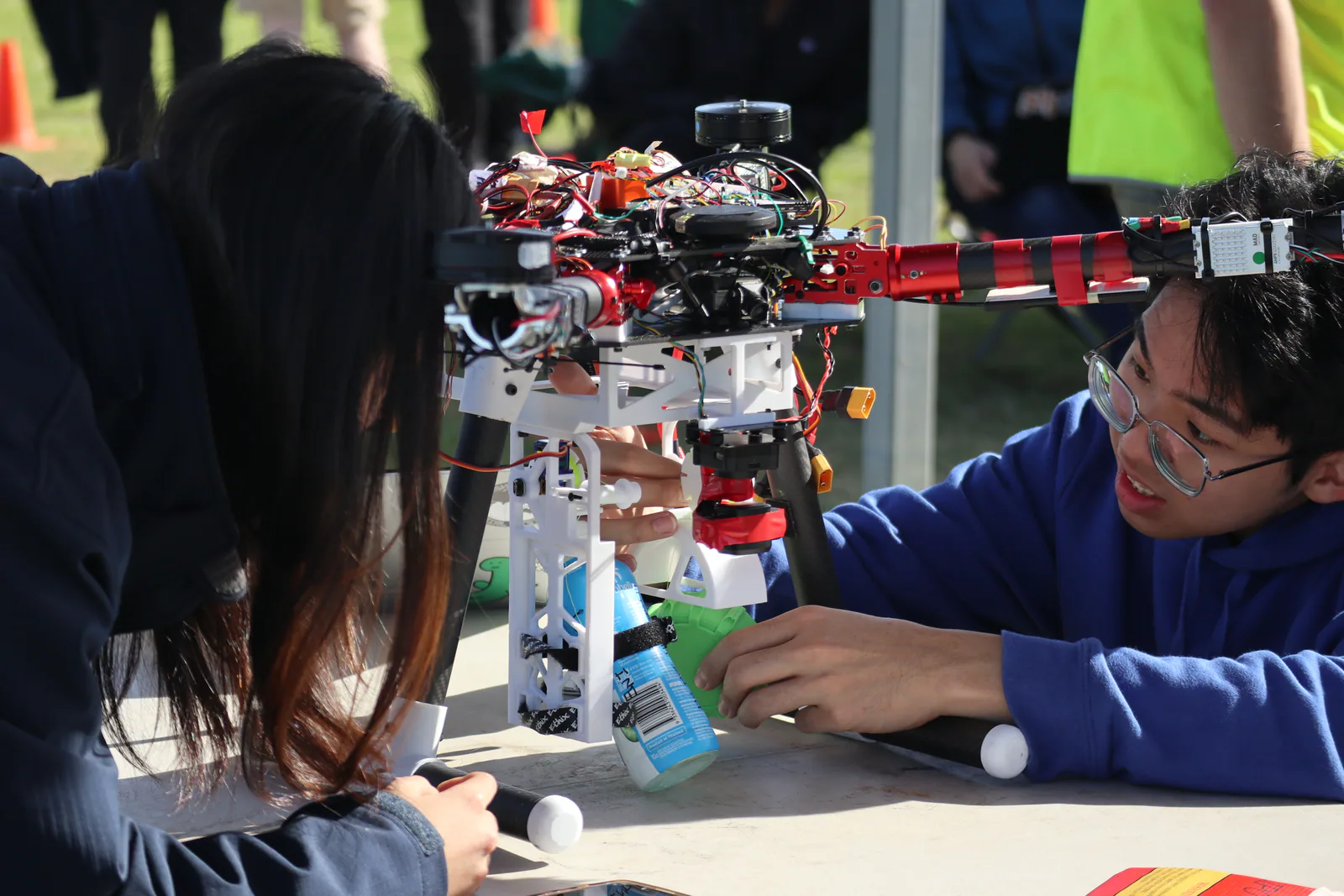
Redback propulsion system specification hardware

16 December 2025

First Successful Lifeline Deployment

The team successfully released the 155 g beacon payload from the minimum required altitude of 45 metres above ground level.
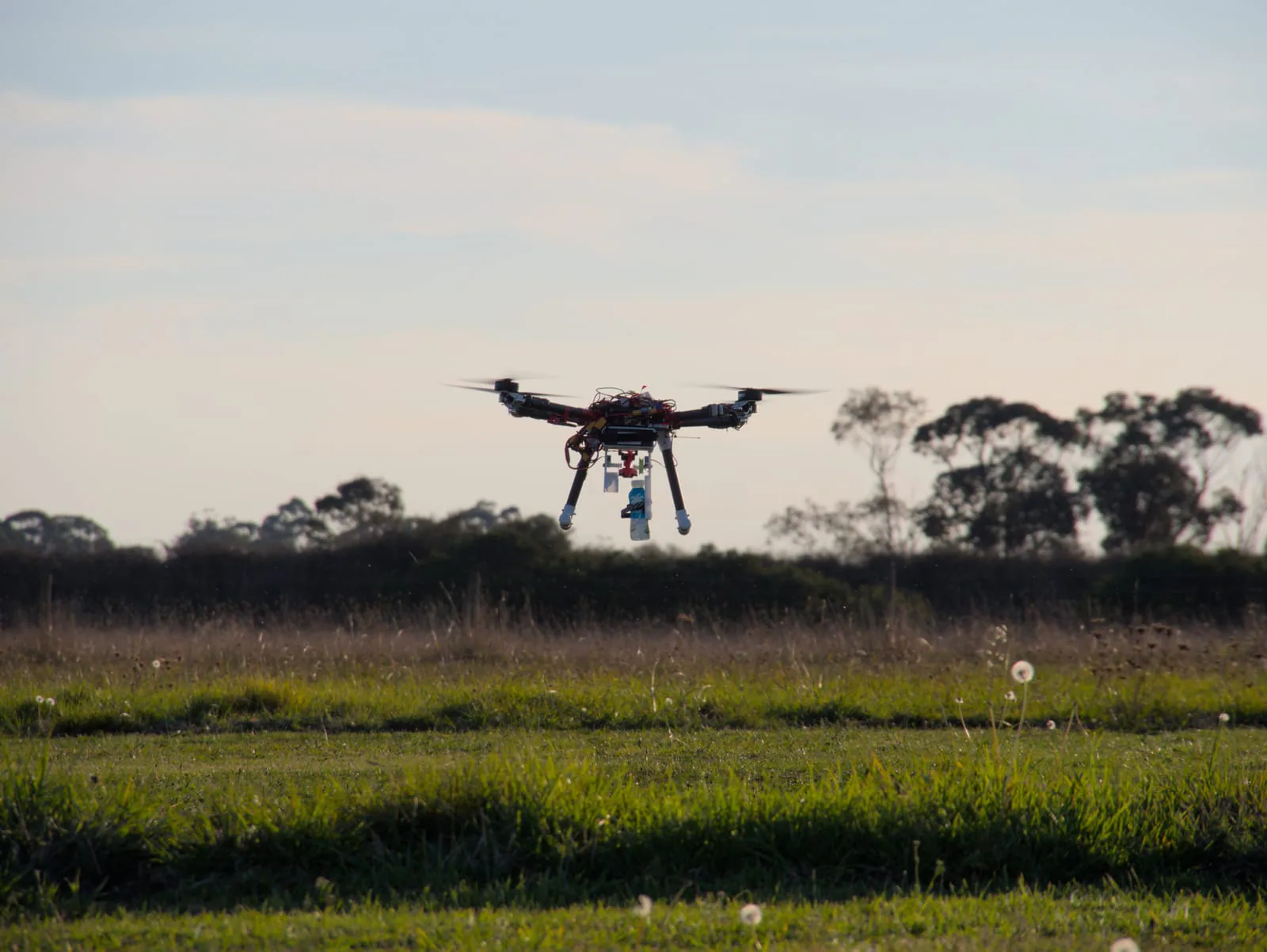
Successful Redback lifeline payload deployment

25 January 2026

Gimbal Camera Hardware Integration

The gimbal camera was integrated with a third-party network link and its connection stabilised. Packet loss was diagnosed using networking expertise and guidance from former team members.
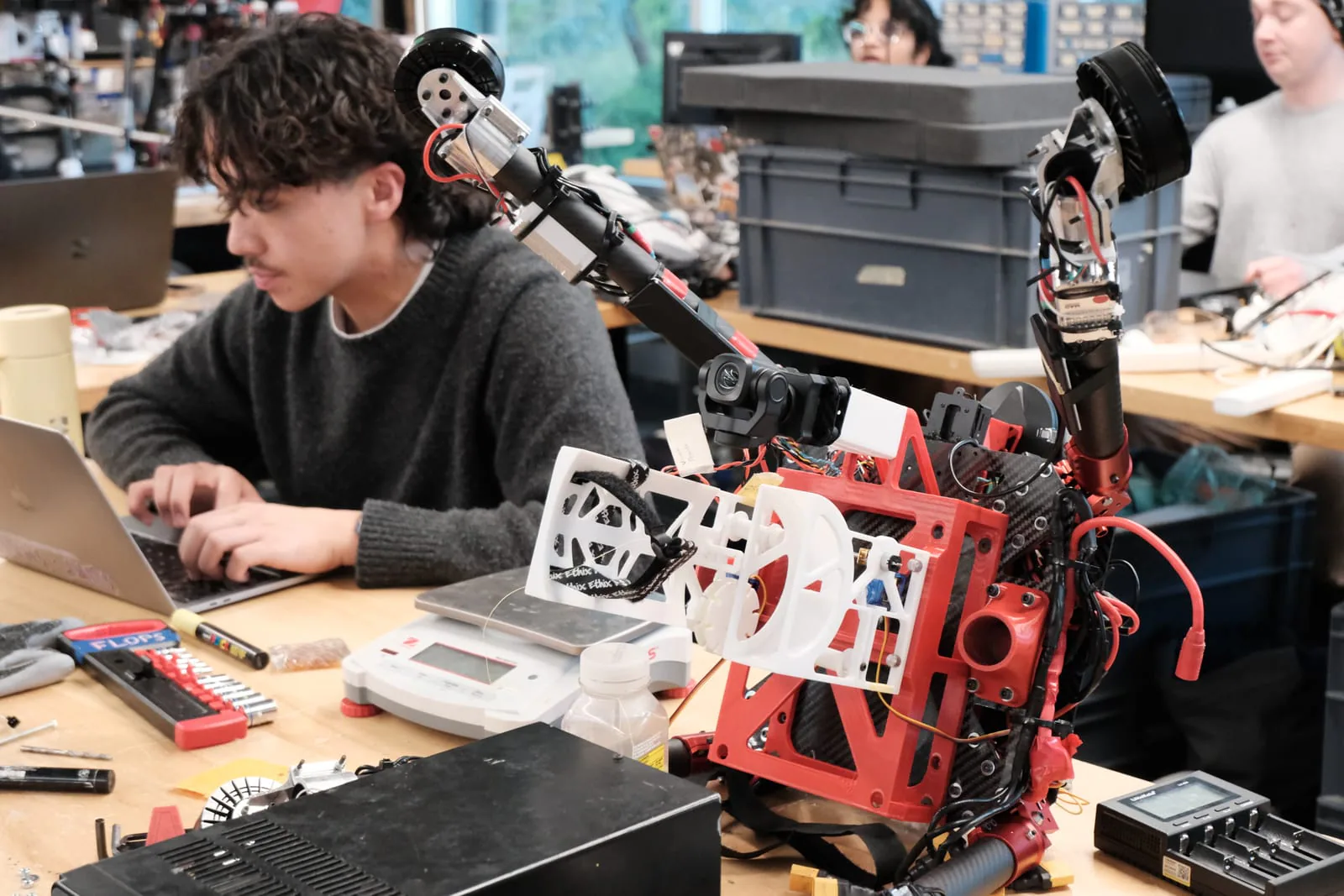
Gimbal camera hardware integrated on Redback

28 January 2026

Redback Proof-of-Concept Maiden Flight

Redback completed the successful maiden flight of its proof-of-concept aircraft, demonstrating stronger than expected flight performance during initial testing.
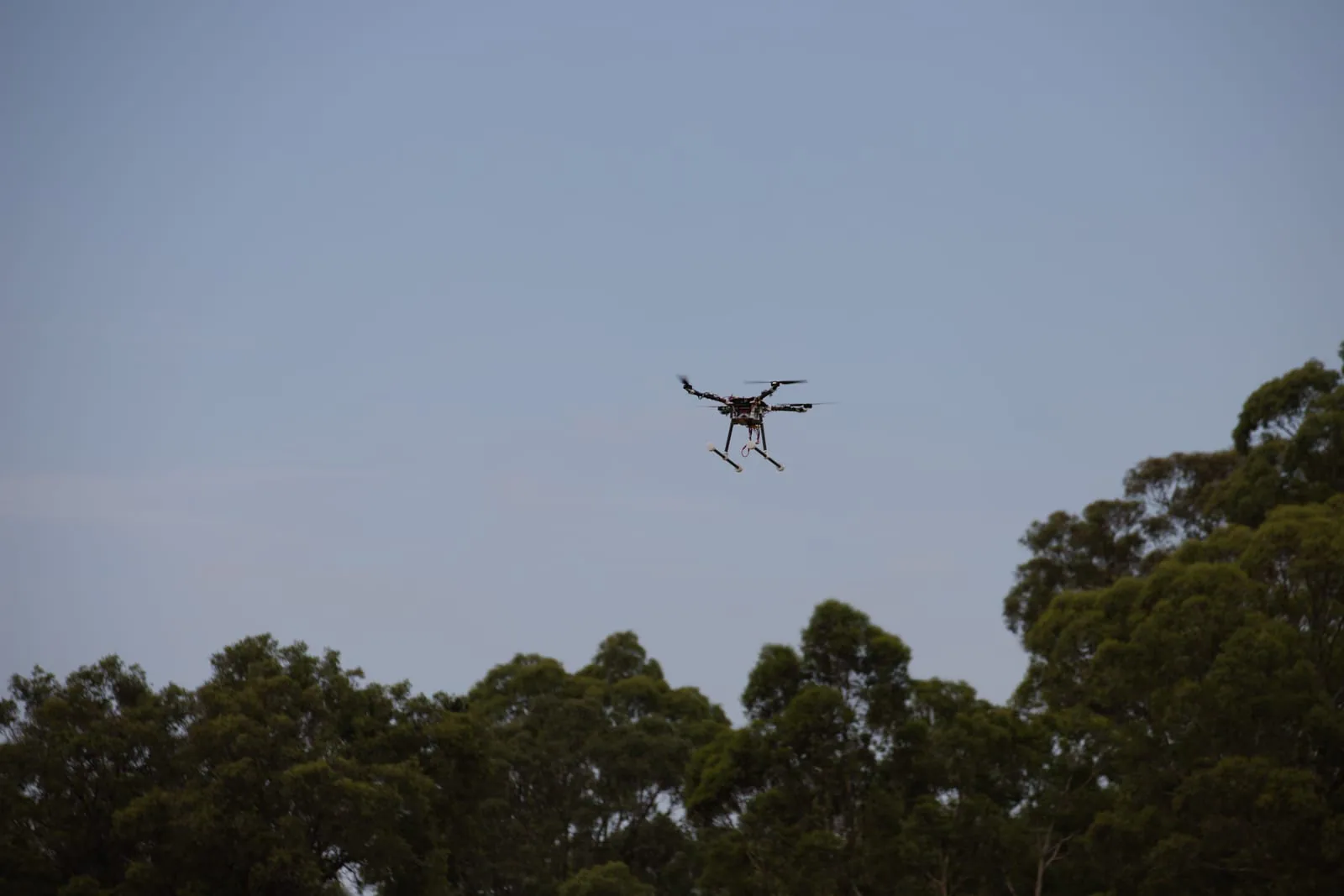
Redback proof-of-concept aircraft during maiden flight

9 February 2026

CAD V2 Design Finished

The airframe design was completed and released for manufacturing, giving the team a ready-to-build Redback V2 structure.
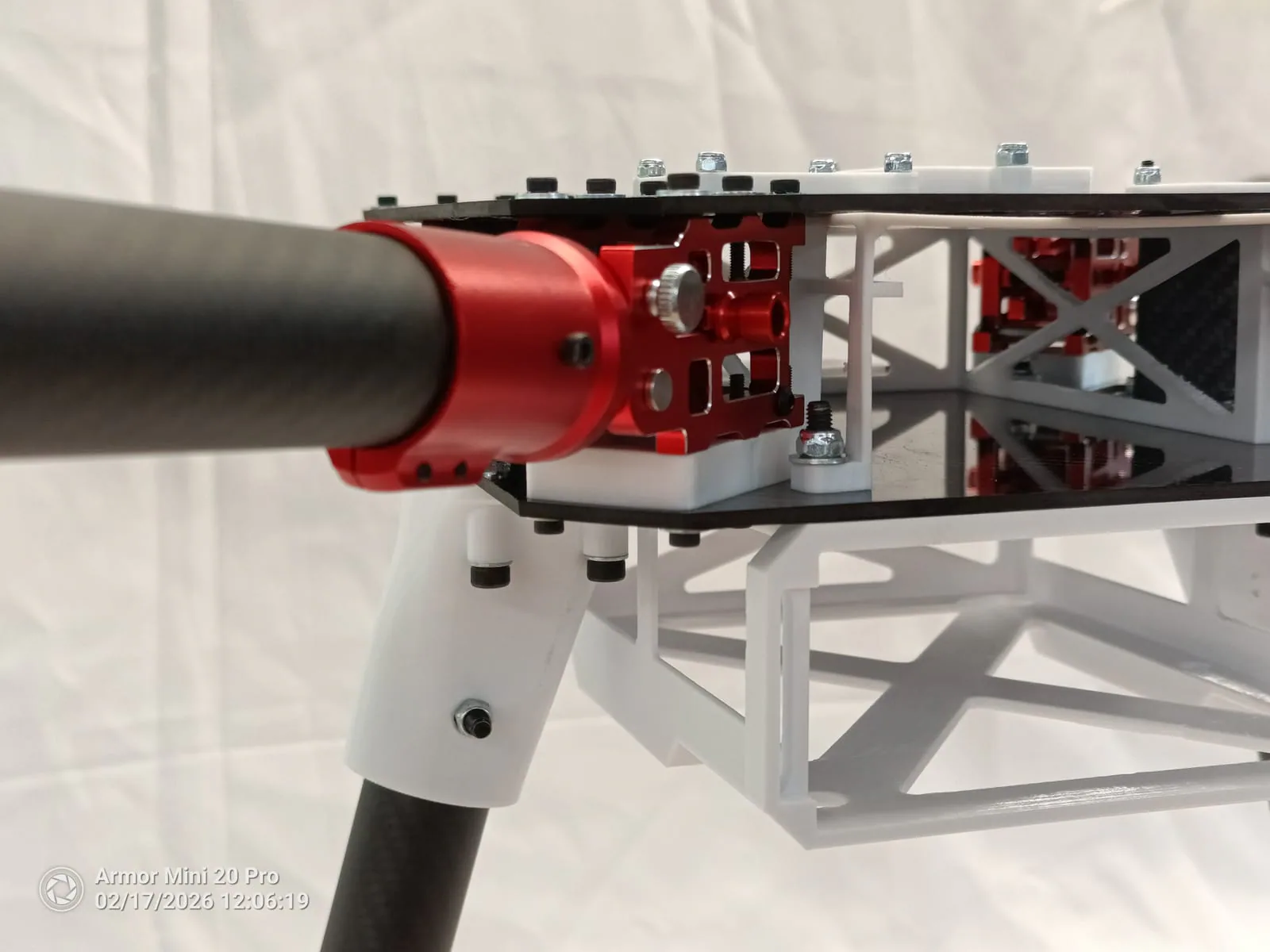
Completed Redback V2 CAD airframe design

16 February 2026

Redback V2 Frame Manufactured

The Redback V2 airframe was manufactured and assembled in three days, turning the completed design into flight-ready structure.
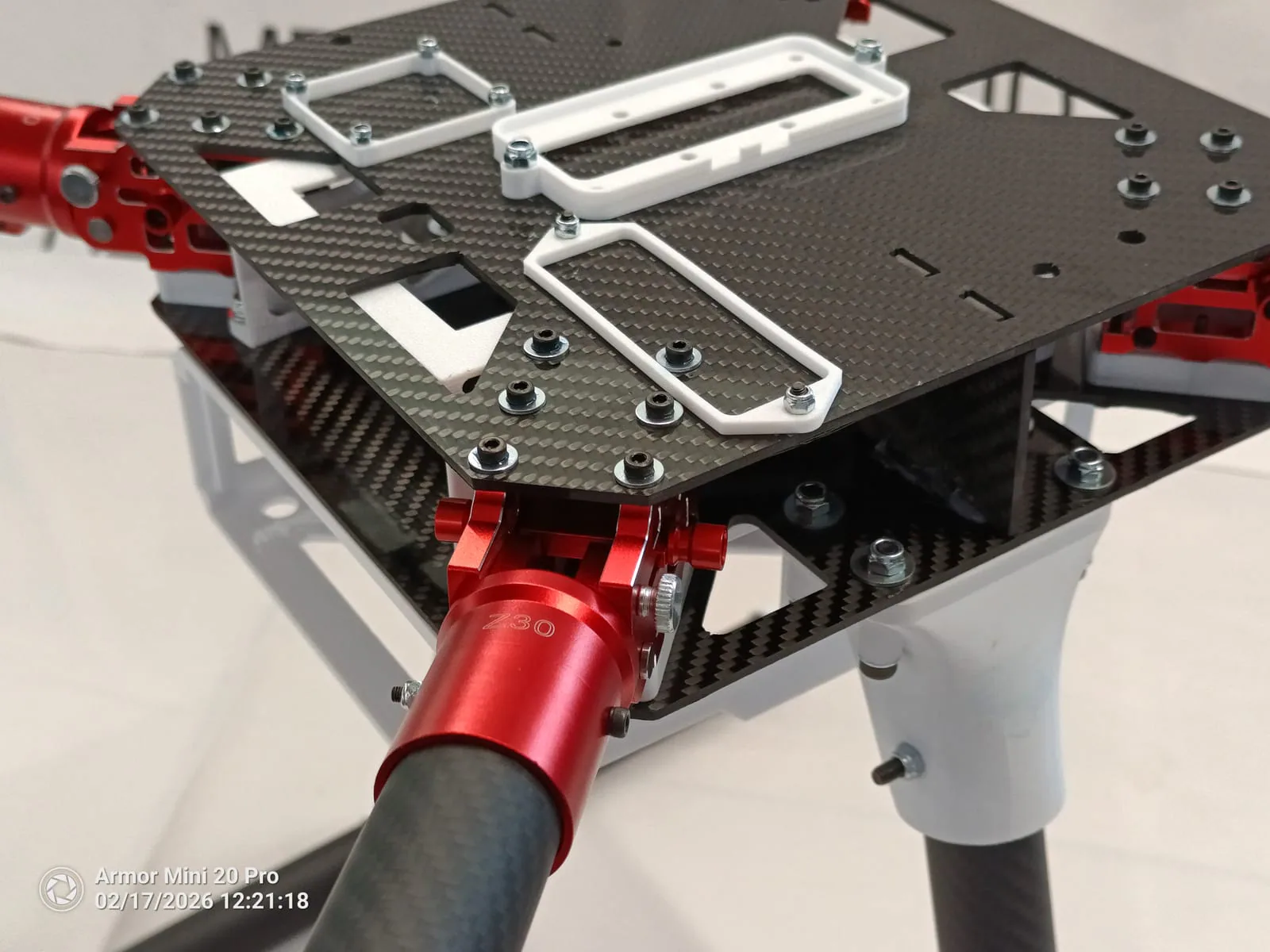
Manufactured Redback V2 airframe

6 March 2026

Redback V2 Maiden Flight

Redback V2 completed its maiden flight with all competition avionics on board, a major VTOL integration milestone for the team.
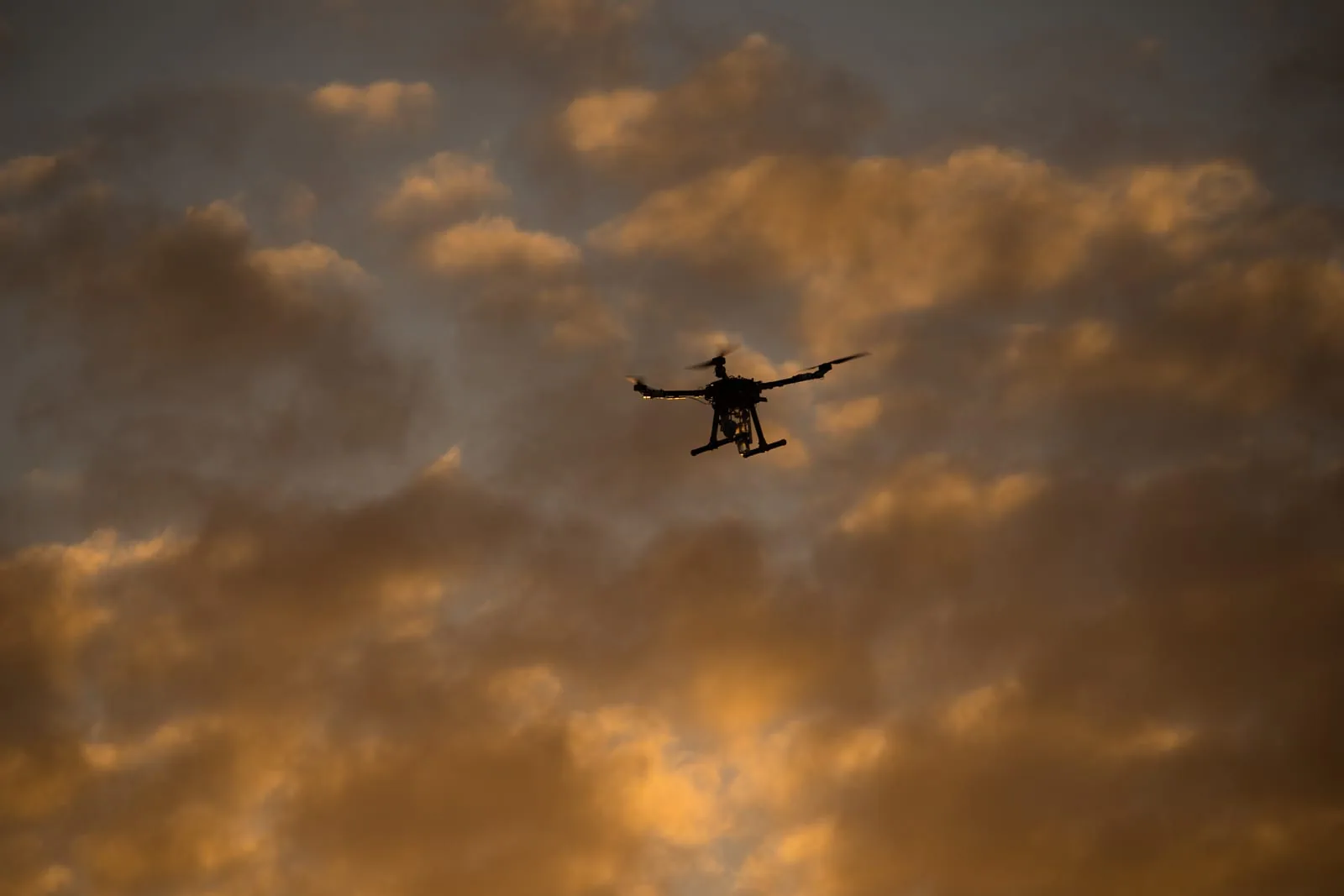
Redback V2 aircraft during maiden flight

12 March 2026

Power System Harness Repair

The Stack team repaired the power system harness on Redback under time pressure, enabling the aircraft to be prepared for the upcoming flight day.
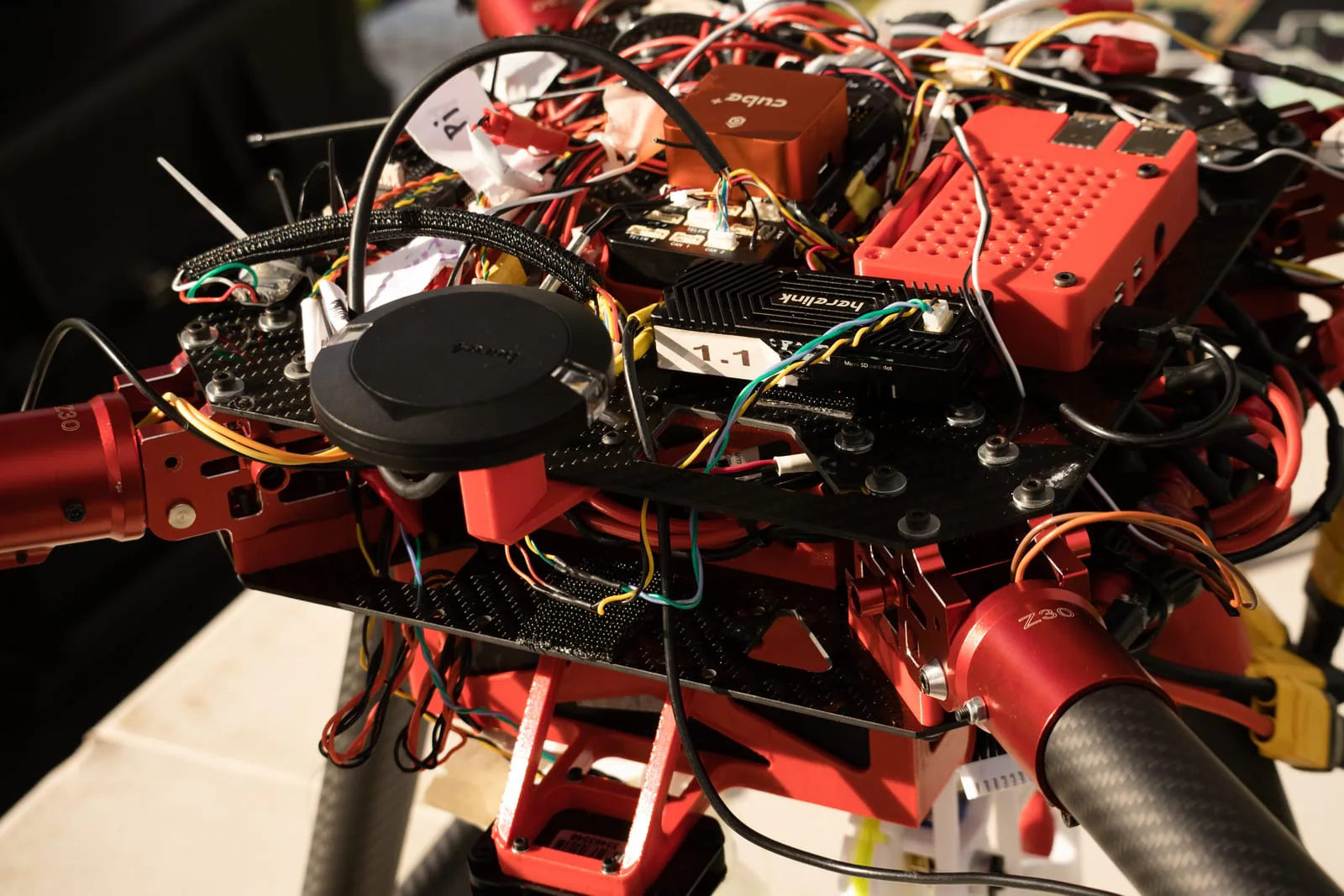
Redback propulsion system during testing and repair

27 April 2026

First Mission Management Mock Run and First Map Generated

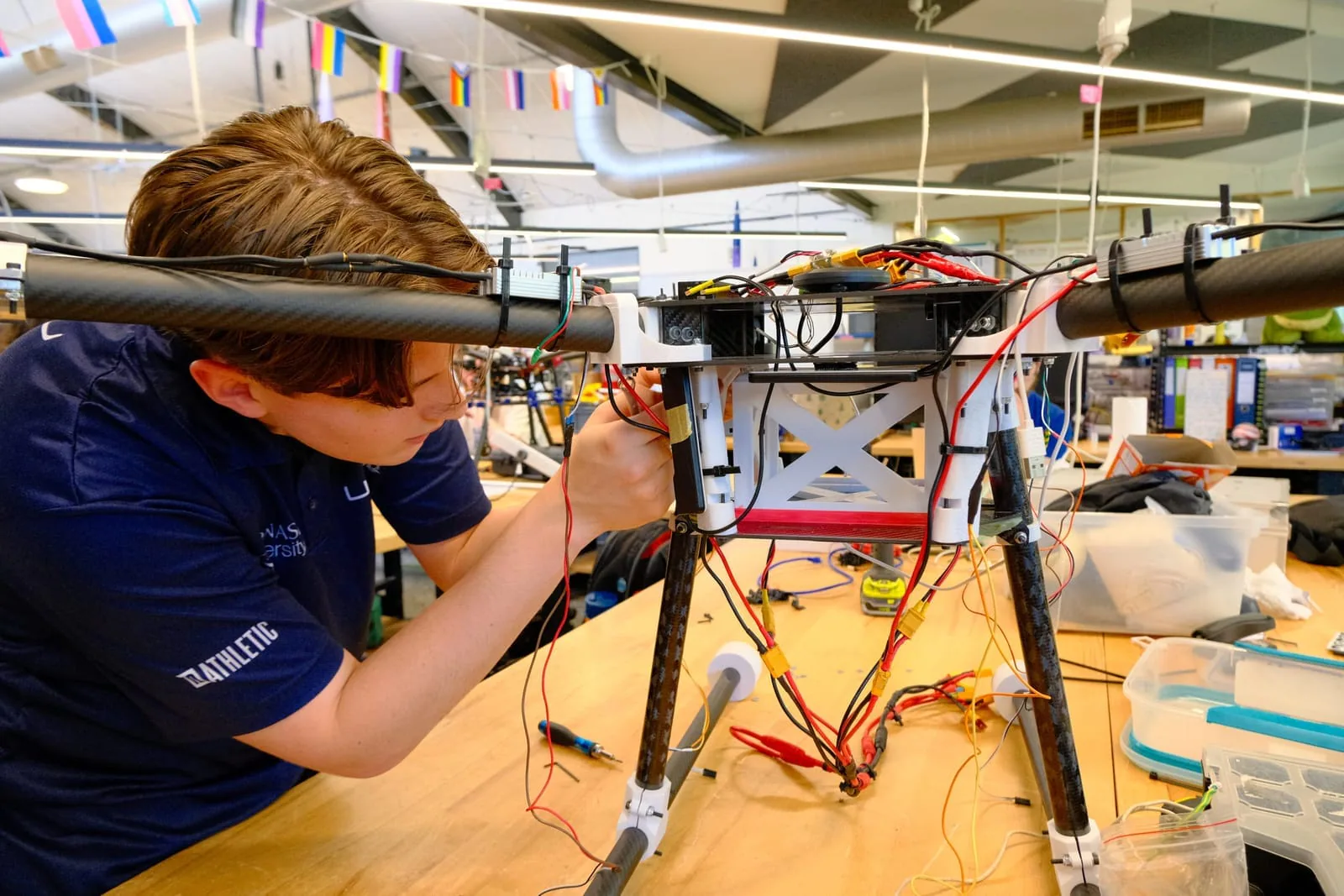
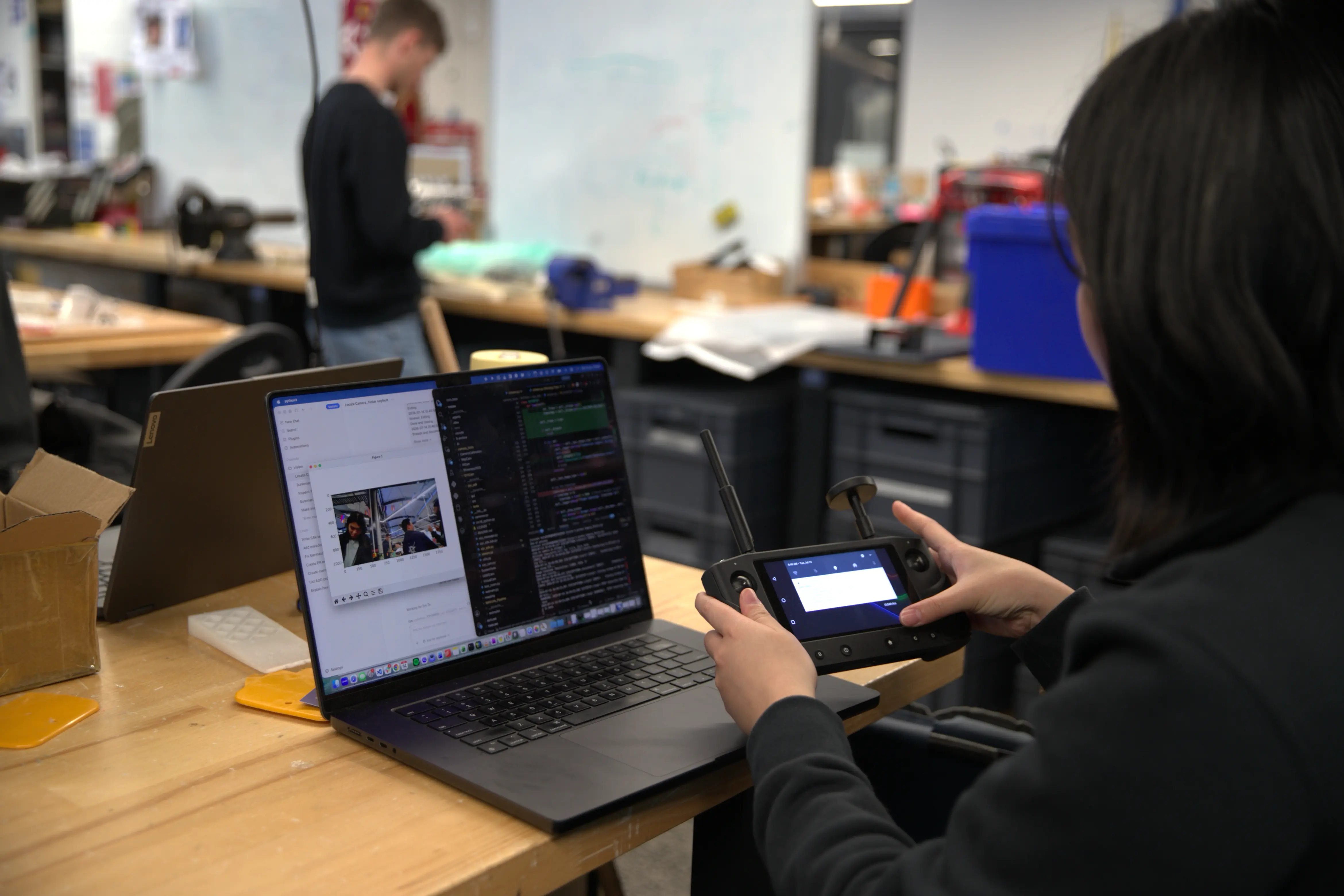
The team completed beta testing of the full mission management system for a real-life flight. Vision team successfully generated the first search boundary map.
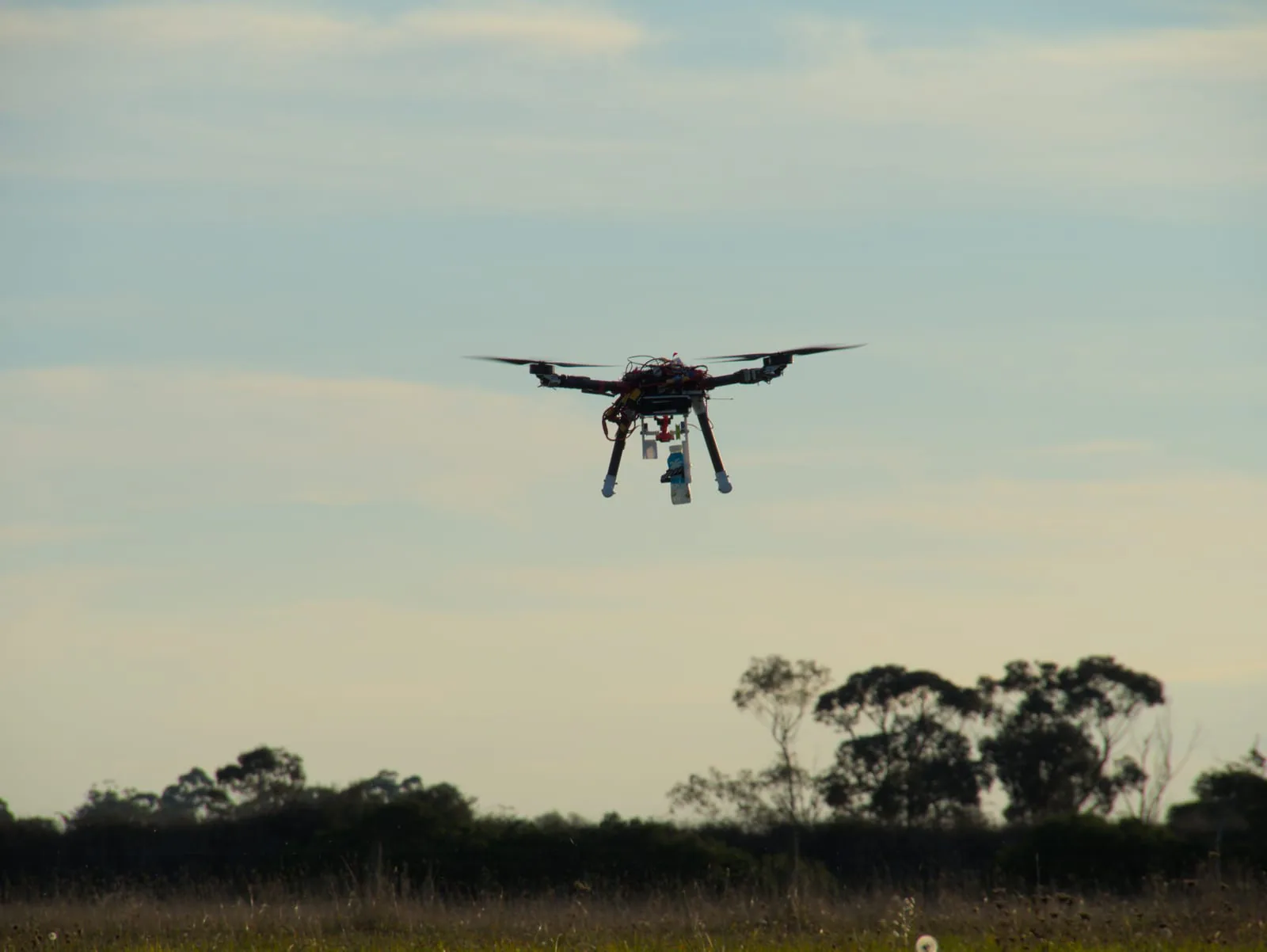
Mission management mock run for Redback

12 May 2026

Vision Model Accuracy Improved

YOLOv8 detection accuracy was initially limited because objects appeared very small at the minimum operating altitude. Performance was improved through image preprocessing and colour-based clustering to distinguish targets from the surrounding grass.
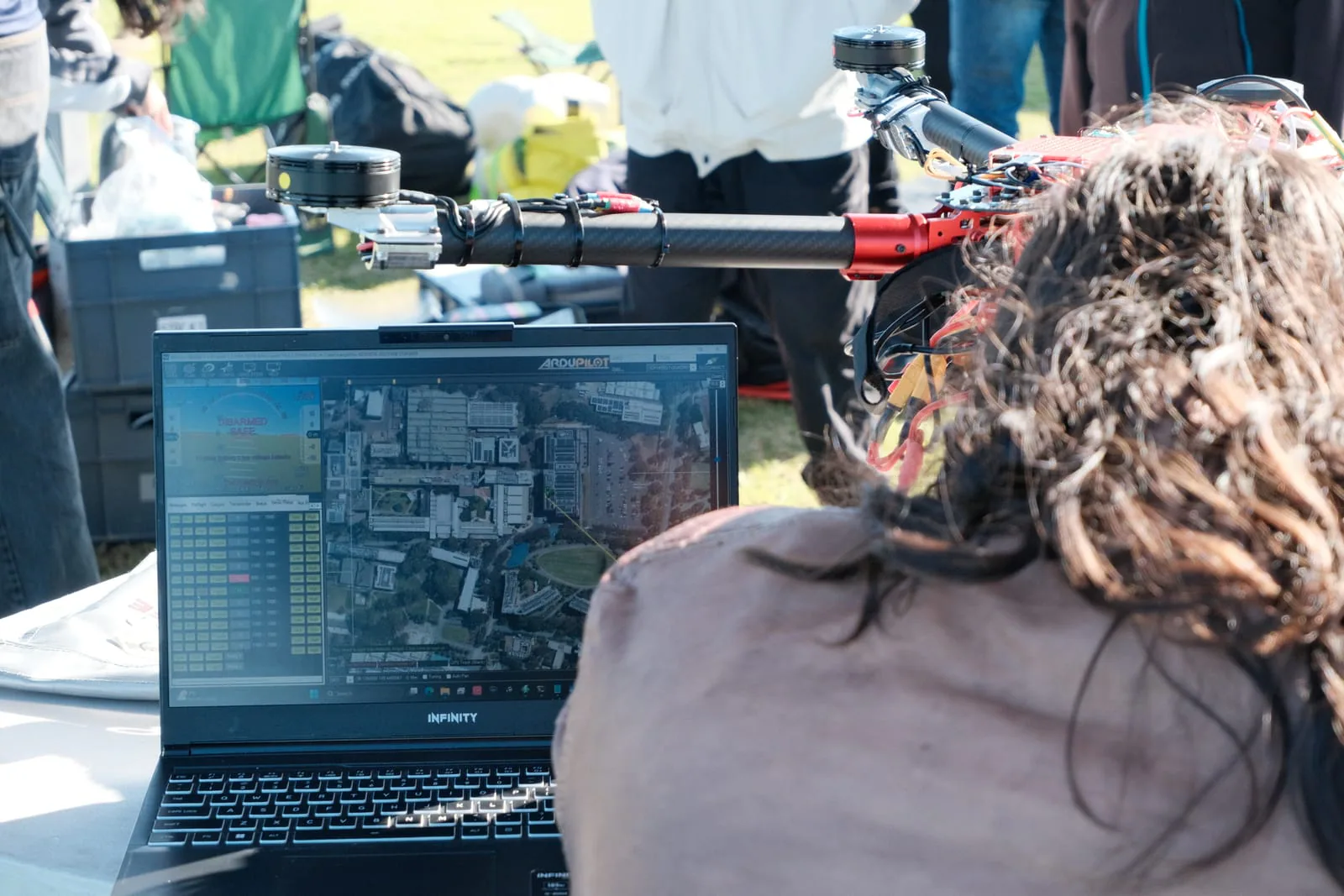
Vision model accuracy testing for Redback

10 July 2026

Obstacle-Avoidance Testing and Verification

The DNA team validated Redback's obstacle-avoidance system at flight day, verifying its functionality and consistency.
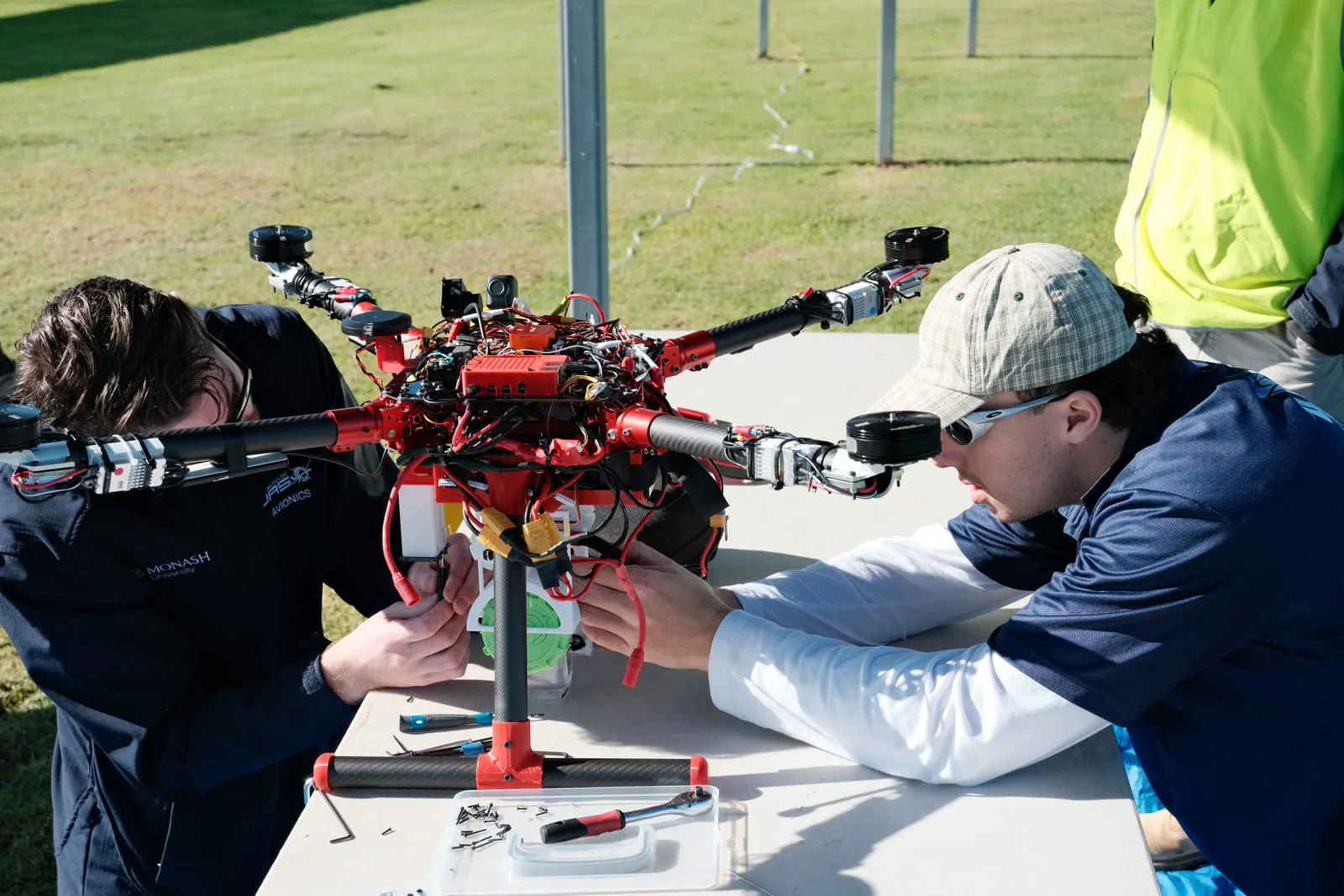
Obstacle-avoidance simulation verification for Redback

17 July 2026

Dual-Payload Delivery, Rapid Assembly, and Full-Point Map

The team successfully validated the release of both competition payloads during a single mission flight, while Vision generated a full-point scoring map. The team also completed the rapid assembly task, packing down the aircraft to fit check-in luggage size and bringing it to a flight-ready state with motors spinning in under 3 minutes with no more than 4 people.
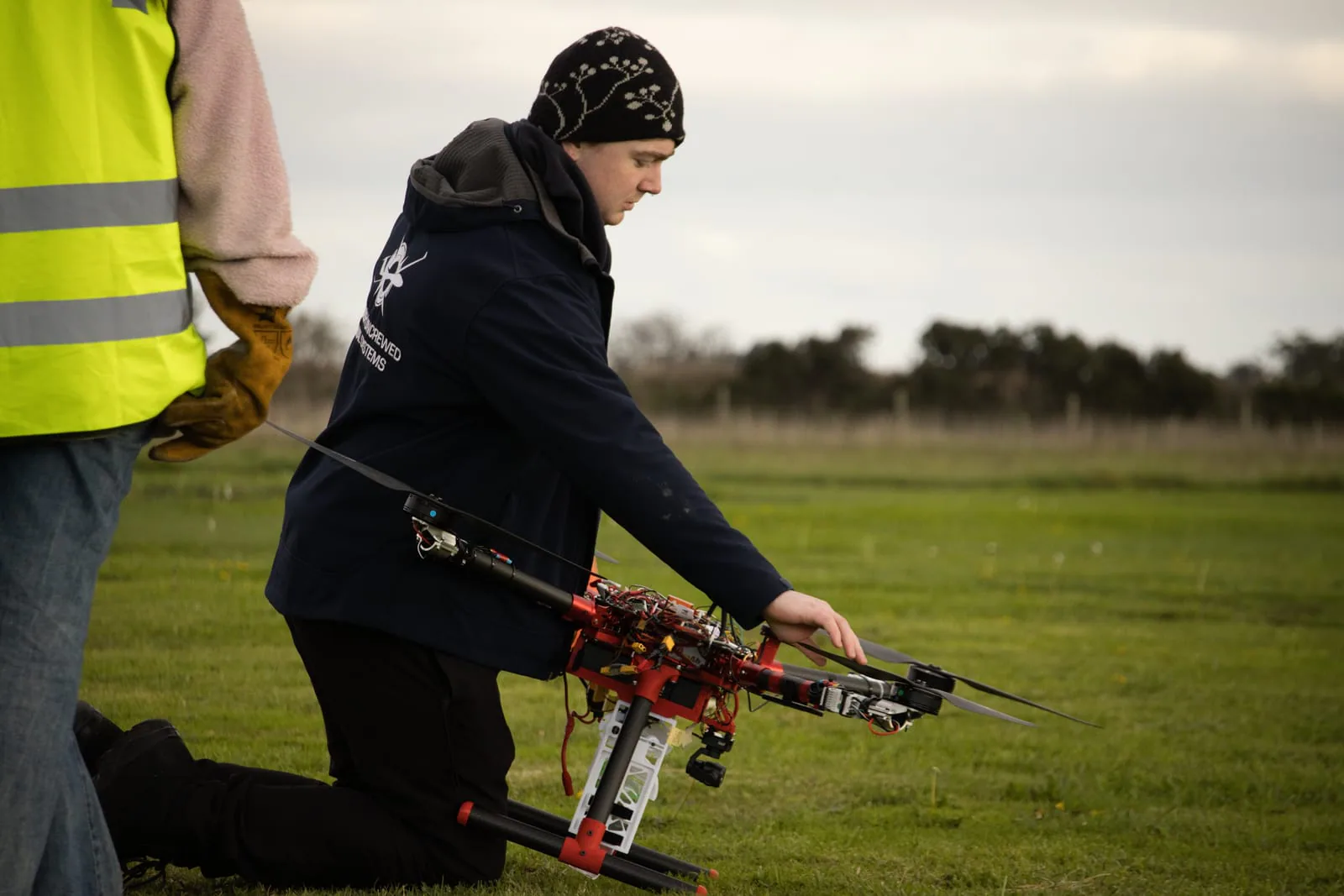
Dual-payload delivery validation for Redback

24 July 2026

First Integrated Autonomous Detection and Drop

Redback accurately detected the mannequin and executed an on-target drop, completing its first integrated autonomous detection and drop.
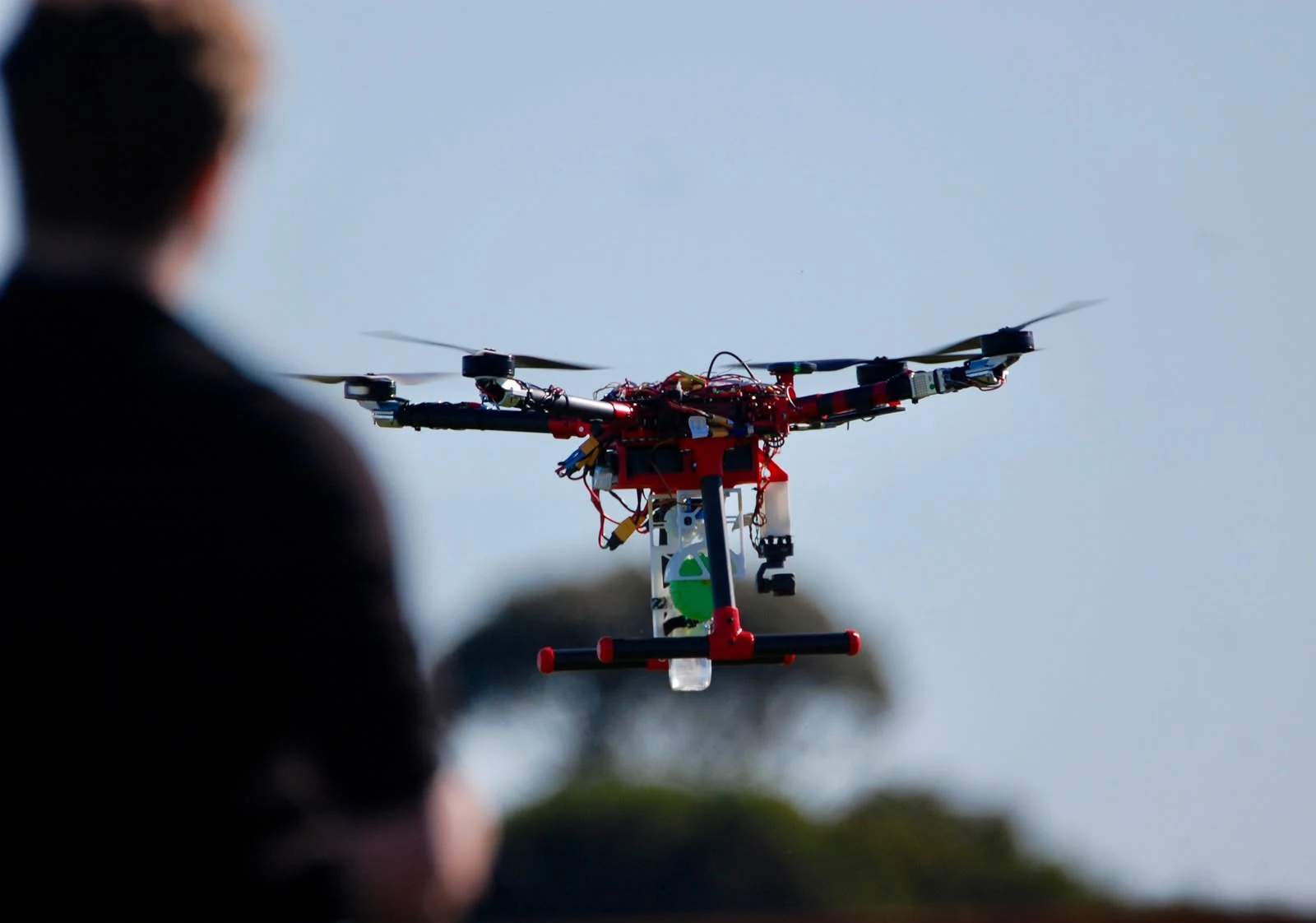

Redback successfully completing its first integrated autonomous detection and drop during a mock competition run

The Teams Behind Redback

Upper Management team
Aerostructures team
Stack team

Upper Management

Sets the strategic, technical and operational direction for Redback, coordinating the specialised teams and ensuring the aircraft develops as one integrated competition platform.

Team leads

  • Ethan Liberman — Team Lead
  • James Morton — Chief Engineer
  • Oliver Bilston — Chief Operating Officer

Aerostructures

Aerostructures develops and manufactures Redback's airframe, creating a lightweight and mission-specific platform capable of meeting the performance requirements of the SUAS competition.

Team lead

  • Lochlan Challis
  • Chee Yong

Team members

  • Sota Kawasaki
  • Dimitris Bertakis
  • Reuben Kobier
  • Zi Song
  • George Vasiliadis

Key design decisions

  • Carbon-fibre airframe

    Redback's endurance requirements demanded an airframe that was both lightweight and structurally strong. Carbon fibre was selected because of its strength-to-weight performance and the team's extensive experience manufacturing composite structures.

  • 3D-printed mounting components

    The comparatively low loading placed on many mounting components made additive manufacturing a practical option. It supports rapid design iteration while allowing replacement parts to be manufactured quickly during maintenance and repair.

DNA

DNA provides real-time obstacle avoidance and supports autonomous mission functions, including diversion from the planned mission route and the aircraft's return to its original mission.

Team lead

  • Folger Kong

Team member

  • Tony Liang

Key design decisions

  • Receding-horizon motion planning

    DNA adopted a classical, first-principles approach to generating dynamically feasible trajectories in real time. Receding-horizon planning predicts the aircraft's future motion and selects the immediate action that best supports safe obstacle avoidance.

  • Companion-computer control

    The system asserts control through a companion computer while the aircraft operates in guided mode, allowing position, velocity and acceleration setpoints to be issued. Control can be revoked immediately through a flight-mode switch, preserving a direct safety override.

Flight Operations

Flight Operations takes Redback from design into real-world testing, identifying practical improvements that increase the aircraft's safety, performance and reliability.

Team leads

  • Alexi Rampono Kelly
  • Alistair McLennan
  • Tom Machin

Team members

  • Nicholas Stringer
  • Saskia Milne
  • Sabina Bodeit
  • Johan Joshi
  • Sam Evans
  • Ellena Glenk
  • Hannan Barnes
  • Harshil Dobariya
  • Rehaan Sachdeva
  • Yu Xi Teng

Key design decisions

  • Overhauled telemetry pipeline

    Redback was transitioned to the Herelink telemetry system to provide a reliable, high-bandwidth connection between the aircraft and ground operators. The previous system struggled when MAVLink data, video and control traffic shared the same connection, making a more robust telemetry pipeline necessary.

  • Increased mission speed

    Although 7 m/s was identified as the most energy-efficient cruise speed, flight testing showed that increasing the endurance-phase speed to 17 m/s reduced the mission's overall battery cost by significantly shortening its duration. This also provides greater competition flexibility by allowing additional endurance laps or a repeated search phase.

Lifeline

Lifeline designs and implements Redback's payload-delivery system, allowing the aircraft to deliver critical supplies safely to people on the ground.

Team lead

  • Chloe Shin

Team members

  • James McIntyre
  • Zoe Bearup
  • Valentino Vargetto
  • Gavin Ng

Key design decisions

  • Passive braking

    The Lifeline system uses the kinetic energy generated during the payload's descent to regulate its speed rather than relying on an external power supply. This reduces demand on the aircraft's battery and supports greater mission endurance.

  • Fail-safe release actuation

    A servo-driven mechanical release provides a simple and reliable PWM control path from the flight controller. The mechanism is designed so that the payload remains secured if logic power is lost.

Testing process

The team bench-tests the control system and release mechanism as part of its pre-flight safety checks. Payload releases are then tested from the aircraft during flight to replicate mission conditions, while digital simulation supports the selection of components that control descent speed and delivery time.

Mission Management

Mission Management centralises control of Redback and its onboard avionics systems within a single operator interface.

Team lead

  • Dylan Storey

Key design decisions

  • PyQt6 desktop application

    The team considered both web and desktop architectures. Because the system requires only one active client, a desktop application was selected and built with PyQt6, using technologies already familiar to the team and suited to rapid development.

  • Communication broker

    An MQTT broker was selected to coordinate communication between Mission Management, DNA and Vision because it is widely used for connected systems and has extensive documentation. Protocol Buffers are used when communicating with DNA's Raspberry Pi, while Vision currently exchanges JSON messages.

Pilots

The pilots operate Redback during flight testing and translate the aircraft's technical capabilities into safe, repeatable flight procedures and mission execution.

Pilots

  • Tom Machin
  • Adwik Ghosh
  • Sean Ashton

Propulsion

Propulsion oversees the specification, installation and maintenance of Redback's commercial propulsion system, ensuring it can meet the endurance and performance requirements of the SUAS mission.

Team leads

  • Oliver Bassily
  • Julian Nosiara

Key design decisions

  • Quad-rotor motor configuration

    A quad-rotor configuration with one motor per boom was selected instead of a coaxial arrangement. This reduces power consumption and supports the competition endurance requirement, while retaining the proven reliability of a conventional quad-rotor layout.

  • Custom propellers

    The efficiency limitations of readily available propellers created concerns around achievable flight time. Custom propulsion components were therefore selected to improve energy efficiency and address Redback's endurance requirements.

Stack

Stack designed and implemented Redback's electrical power-distribution circuits and communication pathways, connecting and supporting the aircraft's onboard systems.

Team lead

  • Tanvi Somvanshi

Team members

  • Eman Kashif
  • George Dimitropoulos
  • Georgie Thomas
  • Ivan Ljubicic
  • Lillian Nguyen

Key design decisions

  • BEC power harness

    The power harness distributes regulated power from the main battery to systems including the flight controller, communications hardware and sensors. It protects sensitive electronics from voltage instability and allows each subsystem to receive reliable power without requiring separate batteries.

  • Efficient routing and placement of components

    Stratigically mapped the placement of electrical compoenets and routed the wiring harness to minimize cable length, reduce electromagnetic interferance, and improve power efficiency. The layout optimises cooling, and makes the electrical system easier to inspect, maintain and troubleshoot.

Thank You To Our Sponsors

Monash University logo
CubePilot logo
Stahl Metall Engineering logo
SUAS-ROV logo
Altium logo
Leap Australia logo
Milliamp Diode logo
Ironbark Composites logo
Ansys logo
Monash University PEARL logo
SAGE logo
PTC logo
freedcamp logo
SIYI logo
Kiteaero logo
Monash University logo
CubePilot logo
Stahl Metall Engineering logo
SUAS-ROV logo
Altium logo
Leap Australia logo
Milliamp Diode logo
Ironbark Composites logo
Ansys logo
Monash University PEARL logo
SAGE logo
PTC logo
freedcamp logo
SIYI logo
Kiteaero logo
MUAS Logo

Monash Uncrewed Aerial Systems - Demonstrating the humanitarian potential of Drone Technology since 2011.

Explore

HomeOur TeamOur Drones

SUAS 2026

RedbackThe SUAS Team

Connect

Sponsor UsRecruitmentContact Us

Socials

FacebookInstagramLinkedInYouTubecontact@monashuas.org

© 2026 Monash Uncrewed Aerial Systems. All rights reserved.